
Title of Workshop: Do’s and Don’ts of Working with ChatGPT in the
Writing Classroom
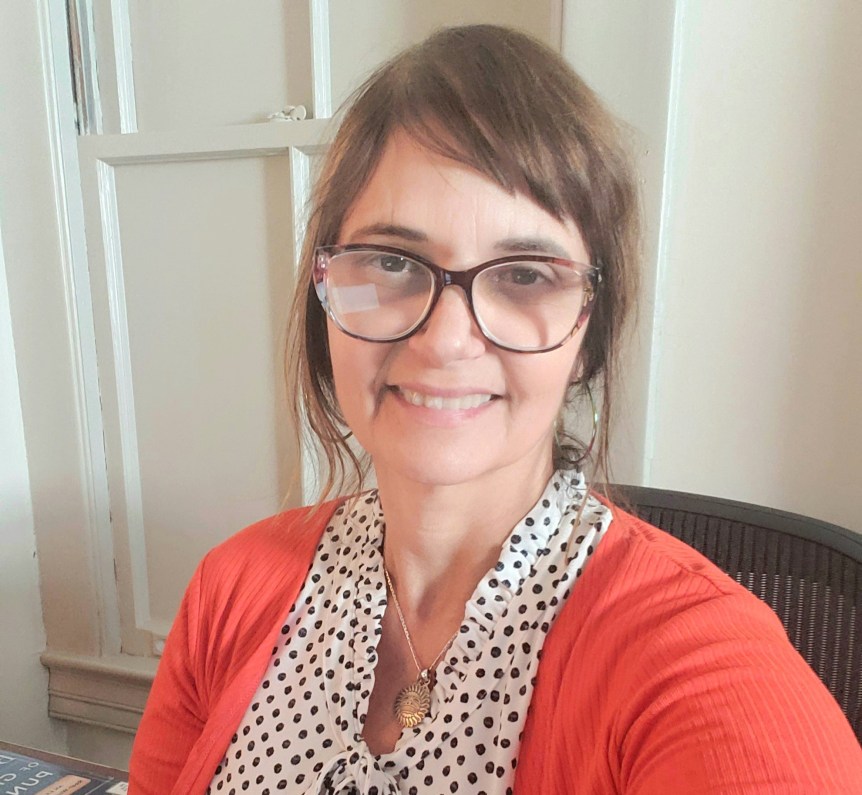
Monica Rocha Antonin is an English for Specific Purposes educator and academic coach with extensive experience teaching multilingual learners across higher education and K–12 settings. She currently teaches at the University of Connecticut’s UCAELI International Scholars Program and serves as an ESL/Writing Coach at Bay Path University, Massachusetts. Previously, she coordinated the Academic ESL Program at Holyoke Community College and held instructional roles in Germany at the University of Duisburg-Essen and at the University of California, Irvine. Fluent in Portuguese, Spanish, and German, Monica specializes in curriculum design, assessment, teacher training, and intercultural communication.
This workshop will address the evolving role of the ESL instructor in tertiary education within the rapidly advancing landscape of artificial intelligence. It will examine the instructor’s role in promoting and safeguarding academic honesty while providing students with guidance on the acceptable use of AI in the classroom. This will be achieved by utilizing existing AI tools to assist students in developing their
writing skills, without relying solely on AI tools without doing the necessary work.
The session will propose practical strategies for employing AI-generated prompts to enhance students’ academic writing skills and for integrating AI effectively into the creation of engaging lesson plans that address students’ needs. Additionally, it will outline approaches for understanding the importance of avoiding plagiarism and establish clear, attainable, and ethically grounded guidelines for the use of AI in the classroom. The workshop will conclude with a critical discussion of the limitations of AI in language acquisition, including anecdotes from students who often complain about AI’s role in their language development. It will also discuss the discrepancy between AI-generated written language proficiency and oral language proficiency, as well as strategies for raising awareness of this issue within the student population.
 IESPTA